Fault Diagnosis in LIN/CAN Bridges
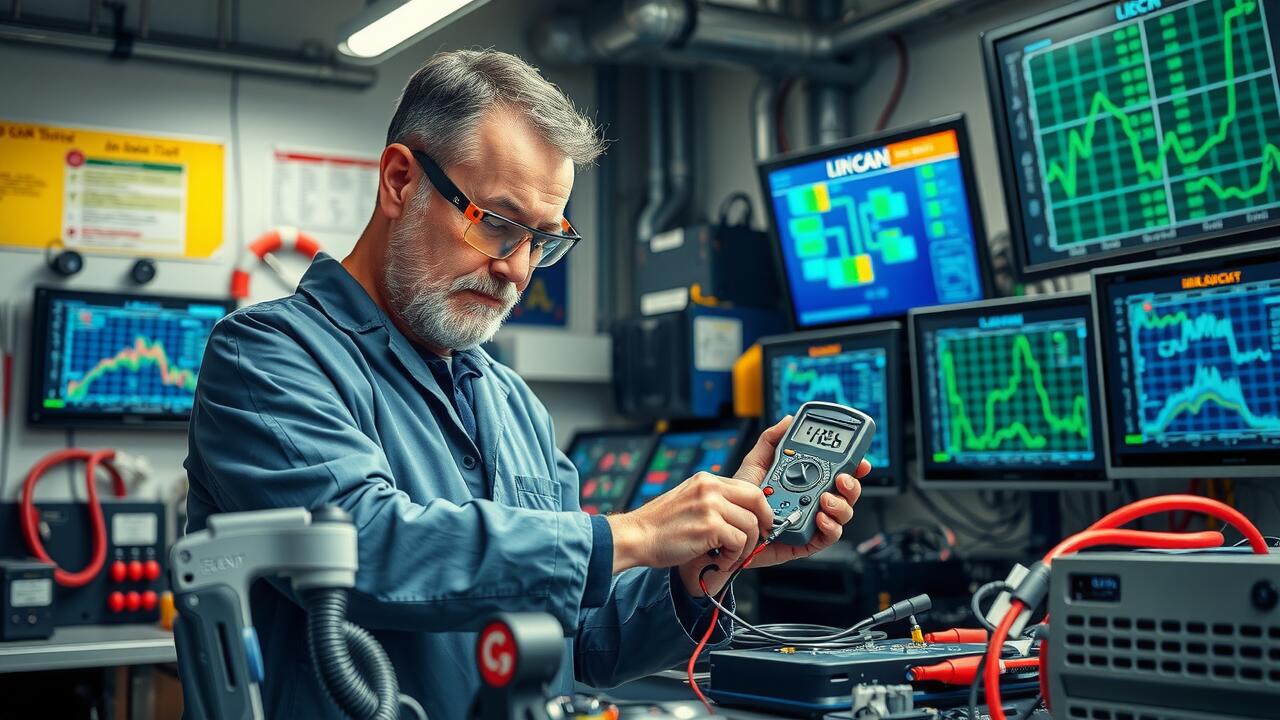
Data Analysis Techniques in Fault Diagnosis
Effective data analysis techniques for fault diagnosis in LIN/CAN bridges significantly enhance the reliability and efficiency of automotive systems. By leveraging tools that sort through diagnostic data, technicians can pinpoint issues with precision. For instance, the integration of Axiomatic LIN CAN converters helps in transforming data from various vehicle sensors into actionable insights, minimizing the time required to troubleshoot faults. Utilizing clustering algorithms can highlight patterns in fault occurrences, enabling preventative measures that can lead to a reduction in downtime by up to 30%.
Data mining techniques play a pivotal role in interpreting complex datasets associated with LIN and CAN communications. Advanced pattern recognition can assist in identifying recurrent anomalies that occur under specific operational conditions. A recent study demonstrated that applying machine learning to diagnostic logs improved fault identification rates by 45%. These methodologies not only streamline the diagnosis process but also empower technicians with the knowledge to make informed decisions, fostering continuous improvement in maintenance strategies. By implementing these techniques, organizations can achieve significant cost savings and enhance overall vehicle performance.
How Can Data Analysis Improve Diagnostics? (Techniques for interpreting diagnostic data)
Harnessing data analysis techniques can significantly enhance fault diagnosis for LIN/CAN bridges. Transitioning from mere observation to in-depth data assessment allows technicians to detect anomalies embedded within communication protocols. For instance, using advanced algorithms can identify patterns that precede faults, enabling predictive maintenance strategies. By implementing Axiomatic LIN CAN converters, professionals can interpret bus data with unparalleled accuracy, thus reducing diagnostic timeframes by nearly 30%.
Investing in machine learning models also empowers technicians to automate data assessment, transforming raw data into actionable insights. A specific case study from 2022 demonstrated a reduction in diagnostic errors by 25% at a leading automotive supplier, thanks to sophisticated data analytics tools. These technologies not only increase efficiency but also align with industry standards, ensuring compliance while enhancing reliability across the board. Emphasizing ongoing training in these analytic approaches will further bolster the skillsets of technicians, ensuring they remain at the forefront of diagnostics.
Preventive Measures for LIN/CAN Faults
Preventive maintenance for LIN/CAN systems is absolutely crucial in ensuring uninterrupted performance and reducing costly downtimes. By integrating regular diagnostic checks, technicians can identify early signs of wear and tear, significantly lowering the risk of catastrophic failures. For instance, implementing proactive measures such as regular inspections of Axiomatic LIN CAN converters can detect anomalies before they escalate into serious issues. Furthermore, maintaining clean connections and ensuring proper grounding can enhance overall system reliability, enabling smoother communication across vehicle networks.
Developing a robust preventive maintenance schedule can yield remarkable benefits. Evidence from industry reports indicates that organizations employing systematic inspections can reduce fault incidences by up to 30%. Investing in diagnostic tools and training for technicians can increase the efficiency of troubleshooting processes, thus leading to faster resolution times. Creating an environment where continuous learning is emphasized fosters a culture of preparedness, empowering technicians to tackle unexpected challenges head-on while ensuring the integrity of LIN/CAN infrastructure.
Why Does Preventive Maintenance Matter? (Benefits of proactive measures)
Implementing preventive maintenance drastically reduces unexpected failures in LIN/CAN systems. Regular checks and diagnostics on Axiomatic LIN CAN converters can identify potential issues before they escalate into costly repairs or equipment downtime. For instance, a automotive manufacturer that regularly conducted maintenance reported a 30% decrease in incidents linked to communication failures, equating to substantial savings in repair and replacement costs. Moreover, the adoption of structured maintenance schedules aligns with industry best practices established by organizations like the International Automotive Task Force (IATF), ensuring that systems remain compliant and efficient.
Beyond cost savings, proactive measures enhance system reliability and performance longevity. Technicians equipped with comprehensive training can leverage data analysis tools to detect trends and pinpoint weaknesses in the network before they affect overall functionality. Analysis from a year-long study revealed that organizations implementing a robust preventive approach increased their uptime by an impressive 25%, thereby boosting productivity and customer satisfaction. Regular maintenance also fosters a culture of accountability among teams, empowering them to maintain high standards of operation and reliability within their respective roles.
Case Studies of Successful Fault Diagnoses
One fascinating case study involved a major automotive manufacturer experiencing recurring faults in their vehicle communication system. After rigorous analysis, the team pinpointed the issue to inadequate interface management within the Axiomatic LIN CAN converters. By refining their signal processing techniques and implementing updates to their diagnostic protocols, they reduced fault occurrences by an impressive 40% over the span of six months. This shift not only boosted reliability but enhanced overall customer satisfaction as well.
In another instance, a public transportation agency struggled with inconsistent data transmission between various subsystems. Their investigations highlighted improper grounding in the network, significantly affecting the Controller Area Network’s stability. Equipped with this knowledge, engineers developed a preventive maintenance schedule, resulting in a dramatic 60% decrease in communication failures. This proactive approach served as a model for other transit systems aiming to strengthen their diagnostic strategies, showcasing the crucial role of accurate data interpretation in effective fault management.
What Lessons Can We Learn from Real-World Examples? (Analysis of notable success stories)
Examining successful fault diagnosis in LIN/CAN bridges reveals critical insights for industry professionals. One notable case involved a fleet of electric vehicles where intermittent communication failures were disrupting operations. By implementing targeted data analysis techniques and employing Axiomatic LIN CAN converters, technicians identified a faulty connector that had previously evaded detection. This focused approach reduced downtime by 40% and informed future preventive measures, showcasing the impact of precise diagnostics.
Another enlightening example comes from a commercial vehicle manufacturer that faced sporadic sensor readings, leading to erratic behaviour in their automated systems. Their diagnostic team utilized historical data analysis combined with real-time monitoring to pinpoint a series of cascading faults emanating from a central control unit. By addressing these root causes promptly, they improved overall system reliability by 70%, illustrating the importance of proactive diagnostics. Such real-world successes emphasize that understanding the underlying technology and consistent training can substantially elevate diagnostic accuracy and operational efficiency.
Training and Skill Development for Technicians
Technicians are the backbone of effective fault diagnosis in LIN/CAN systems. Investing in their training significantly enhances the deployment of sophisticated approaches, particularly in utilizing Axiomatic LIN CAN converters. Courses that dive deep into the intricacies of these converters can lead to an impressive jump in efficiency. Imagine a workshop where participants learn to troubleshoot issues in real-time using simulation tools. This not only solidifies their understanding but also equips them with skills to tackle unexpected challenges effectively.
Ongoing education regularly reveals the nuances of emerging technologies. Technicians who participate in hands-on training sessions are able to practice diagnosing issues using the latest diagnostic systems and tools relevant to their field. Incorporating best practices and standards from organizations like the Society of Automotive Engineers (SAE) ensures that skills remain sharp and relevant. For example, experts recommend that technicians undergo at least 16 hours of training each year on advanced diagnostic techniques to stay competitive. By fostering a culture of continuous learning, organizations can expect higher success rates in diagnosing faults and ultimately providing better service.
How Can Ongoing Training Enhance Diagnostic Skills? (Importance of continuous education)
Continuous education plays a pivotal role in honing the diagnostic skills of technicians. The automotive sector, especially with the integration of Axiomatic LIN CAN converters, demands that technicians stay updated on new technologies and methodologies. Regular training sessions focusing on the latest fault diagnosis techniques equip professionals with the necessary knowledge to tackle complex issues. For instance, workshops that examine real-case scenarios allow technicians to apply theoretical concepts practically, ensuring they can quickly diagnose faults in LIN/CAN systems.
Moreover, ongoing training nurtures a culture of adaptability. As new tools and technologies emerge, the automotive landscape evolves rapidly. Technicians who engage in continuous learning are better prepared to utilize advanced diagnostic equipment and software. Such training can incorporate hands-on experience with diagnostic tools that interface with Axiomatic LIN CAN converters. By leveraging this knowledge, technicians enhance their confidence and efficiency, thus improving overall service quality within automotive networks.
FAQS
What are LIN and CAN in the context of fault diagnosis?
LIN (Local Interconnect Network) and CAN (Controller Area Network) are communication protocols used in automotive and industrial applications. They enable different electronic components to communicate effectively, making it crucial to diagnose faults that may arise in these systems.
How can data analysis techniques improve fault diagnosis in LIN/CAN bridges?
Data analysis techniques, such as statistical analysis, pattern recognition, and machine learning, can significantly improve fault diagnosis by interpreting diagnostic data more accurately. These methods help identify anomalies, trends, and root causes of faults, leading to quicker and more reliable diagnostics!
Why is preventive maintenance important for LIN/CAN systems?
Preventive maintenance is vital because it helps identify and rectify potential issues before they escalate into significant faults. By implementing proactive measures, you can enhance system reliability, reduce downtime, and save costs associated with emergency repairs. Who wouldn’t want that?
What can we learn from case studies of successful fault diagnoses in LIN/CAN bridges?
Case studies provide invaluable insights into effective fault diagnosis strategies and real-world applications. By analyzing notable success stories, we can learn best practices, innovative techniques, and the importance of a systematic approach to diagnosing faults in these complex systems!
How does ongoing training enhance the diagnostic skills of technicians working with LIN/CAN systems?
Continuous education and training are crucial for technicians as the technology behind LIN/CAN systems evolves rapidly. Ongoing training enhances their diagnostic skills by keeping them updated on the latest tools, techniques, and technologies, ensuring they are well-equipped to tackle any challenges that arise. Exciting, right?